

10 Reasons Why Visitations Are So Important


Joanna Young, M.S., CFLE December 15, 2025
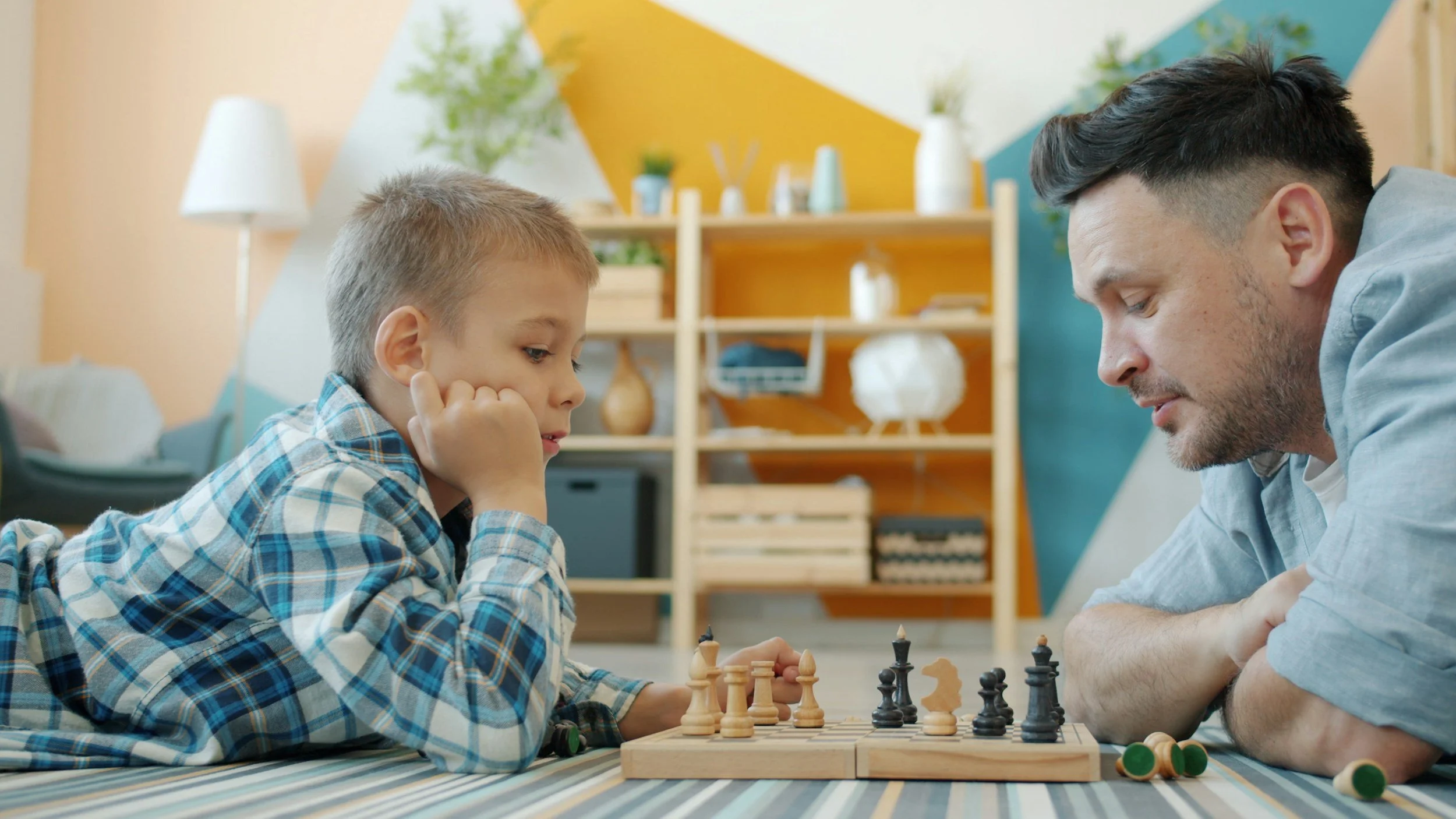
Hope for the Future has hosted more than 12,800 family time visits for over 2,400 children in foster care in Oklahoma since 2016. These numbers reflect a very real need for safe, healthy visits between children in foster care and their biological parents. According to research from Salas et al.,¹ visitations:
Support reunification efforts. Salas et al. explain that one of the most important factors in helping children return home is having contact with their natural parents.
Can help children adjust better. Visits with their biological parents can help children adapt to foster care with its unfamiliar settings and out-of-home care.
Can improve a child’s overall well-being.
Can help meet several of children’s basic needs. This includes physical, emotional, learning, cultural, and social needs, according to Salas et al.
Can strengthen parent-child attachment bonds. Spending time together in affectionate communication can help relationships grow closer and more secure.
Help support a child’s sense of identity. Visits help children understand who they are and where they come from.
Can help children deal with separation and loss. Being able to see their natural family can ease some of the stress and sadness children feel when being separated from their parents and siblings.
Allow families to share updates. Parents and children can talk, catch up, and learn about what has changed in each other’s lives.
Help children understand their past. Visits can answer questions children have about their history and experiences.
Provide information for professionals. Through supervised visitation, child welfare specialists can observe visits to better understand family strengths, needs, and dynamics. This allows professionals to assess a parent’s ability to take care of their children—a must for reunification.
Children benefit when a foster parent or child welfare specialist brings a child to Hope for the Future and when parents make every effort to arrive for visits regularly and on time. Visitations can make it easier for children to adjust to foster care and deal with separation and loss. They also support children’s well-being by meeting several important basic needs, helping them build their identity, and allowing healthy bonds to grow with their parents. Family time visits also give children, siblings, and parents time to talk, understand their past, and keep hope for reunification—and hope for the future—alive.
Reference:
Salas MD, Bernedo IM, García-Martín MA, & Fuentes MJ. Behavioral observation and analysis of participants in foster care visits. Family Relations. 2021;70:540-556. DOI:10.1111/fare.12430